
Desire Is About the Future

I’m not really here. I’m just checking in. I’m still on book hiatus.
I’m here. My life has been plunged back into the immediate concerns of war, but I’m still here.
More specifically, I’m at the cozy Jerusalem coffee house where I escape to write. War has closed the schools and turned my apartment once again into a remote-learning center, as well as an unlikely branch of my oldest daughter’s internship, and a one-child kindergarten staffed most of the time by my tour guide husband.
There are no tours to guide now, only trips to the bomb shelter with a small child who’s learning what it means to feel fear in his whole body, and wants to talk about it all the time. I’ve taken this day to work in solitude because it’s never quiet at home anymore.
It’s never quiet in my mind, either, even amidst the industrious hum of the coffee house. But I’m still here. Marked safe, all clear, wondering when the sirens will blare next.
Was I this resigned, this ground down during the last terrifying summer rain of missiles? The way I remember it, I was more stubbornly suffused with a will to survive, to live to see what lay ahead. My heart raced and returned to repose, my limbs kept trembling while I danced to the playlist my neighbors collaborated on to help each other make it through. I felt death circling and I grasped defiantly at survival.
Now, the dramatic and unthinkable has become routine. This morning, there’s a decent playlist coming through the speakers at the coffee shop. All around me, people work on their computers or ponder their chess games. The sun shines through the window and illuminates the melting ice in my glass of cold lavender tea. I click away on my keyboard, eyes scanning the path to the building’s shelter, and hours pass productively without an emergency alert.
Tension grows as the time stretches between attacks, and I’m distracted because the next one must be coming soon. It’s hard to care about anything else.
But my to-do list is indifferent to my apathy. So I check off the first thing on the list, and then the next. I send out cheerful meeting reminders, post screenshots of evacuation plans to various WhatsApp groups so we can try to proceed with life as planned, feel prepared, move into formation when the inevitable arrives.
A cluster bomb is intercepted over our neighborhood. Falling fragements damage a rooftop, debris rains down. No one is harmed. It’s a blessing. It’s a nightmare.
In another city, an elderly couple is killed on their way to the safe room. It’s a tragedy. It’s an expected outcome.
The schools are closed, but lessons are posted on an app. The buses are running, albeit at a reduced schedule. Everyone who can go back to work does. The Home Front Command sends notifications when an attack is likely, then again when it’s imminent. We take shelter, listening to the booms of interception or impact, waiting for the final notification, the all-clear.
It’s impressive, all this resilience, innovation, flexibility. My heart aches with love for this stubborn, hopeful little country, for my weary and ancient people. This place is a miracle, a wonder, a haven. Even in wartime. Especially in wartime. And still, gripping my youngest child’s hand, wondering if we will make it to the shelter within the allotted ninety seconds, all I can think of is song lyrics: “I don’t want to live like this, but I don’t want to die.”
I’m exhausted, constantly readjusting to new levels of threat and fear, then moving on to the next thing. I cope by telling myself that this is war; there are no real surprises in war. Every terrible thing is possible.
I won’t sacrifice my inner equilibrium. I don’t want my mood swayed by every dark new hypothetical, every foreboding headline, every bleat of shocking stupidity from the people ostensibly in charge of all of this. I refuse to be shocked.
Any measure of stability and safety in the midst of war is a privilege. It’s something my ancestors never knew, something unheard of in most parts of the world.
But it doesn’t feel like privilege to confront mortality multiple times a day. I feel fortunate, yes, and I feel hunted. Then it all recedes and I feel nothing at all.
Still, my body has to keep moving, my hands have to turn on the stove and boil the pasta for dinner, my eyes have to project some measure of vitality into a webcam as I tell a colleague in Europe that we’ll get through the rest of our agenda when I receive the all-clear to leave the shelter.
My book—remember my book? It’s about sex, about the way spiritual consciousness can shape one’s intimate life, and how sexual experience informs religious practice. I’ve been writing it in bits for years, plugging away between other projects, adapting my lectures and research to the narrative and, most recently, setting aside regular essay-writing to place the book project at the forefront of my attention.
But sex thrives in an atmosphere of hope, of optimism, and so does writing about sex. Hope and optimism are in short supply right now. I don’t know how to pick up where I left off before the war.
“I haven’t been going to gan for a year, or maybe it’s more than that,” my six-year-old informs me. I tell him it’s been just three weeks since we were woken on Shabbat morning by an alert that could only mean one thing.
“You’re wrong about that,” he says.
So much time passes in the coffee shop without the interruption of a siren that I finally begin to feel calm. I make plans for an afternoon outing with my thirteen-year-old daughter. We’re going shopping for her first skincare products at the fancy drugstore. She can catch the bus to come meet me, if no rockets fall in the interim.
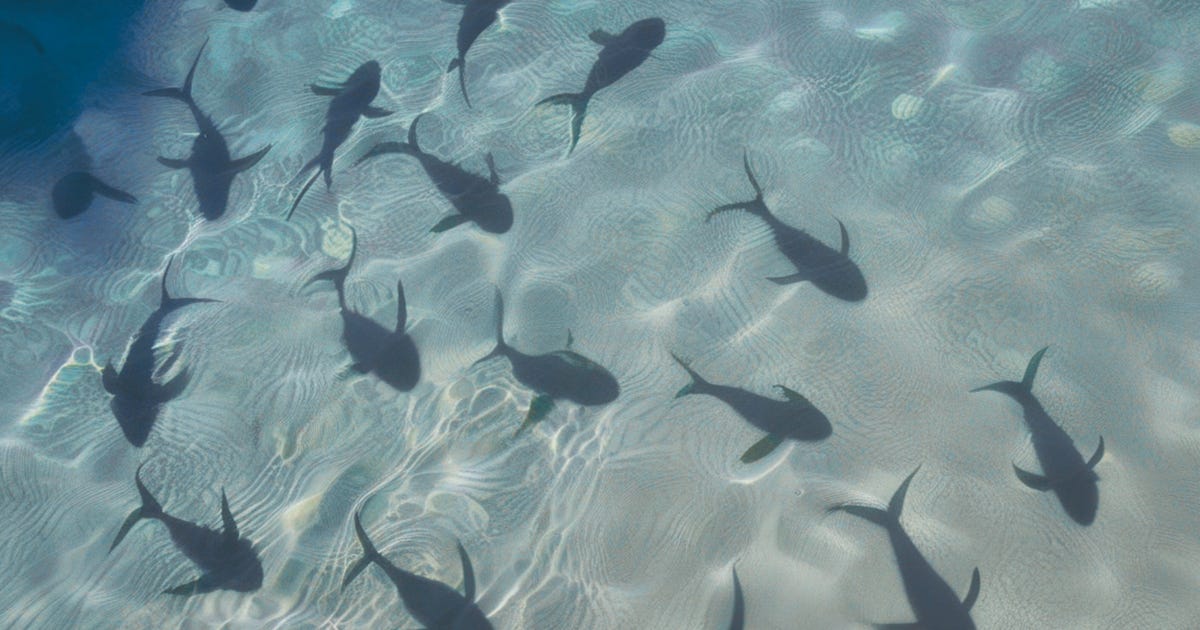
Passover is coming. Remember Passover? The Talmud says, “In the merit of righteous women, we were redeemed from Egypt,” and goes on to describe how Israelite women defied the dictates of Egyptian enslavement to visit and seduce their husbands in the fields. Pharaoh decreed that families would be separated, trying to prevent more children from being born. Women drew drinking water from a well, and God made fish miraculously appear in their water pitchers. They cooked the fish and brought the unexpected treats to cheer up their husbands. This led to a renewal of love, to subversive intimacy, to more Israelite babies, and ultimately, to redemption.
There’s a lot to say about the imagery of fish, an ancient fertility symbol in this part of the world. It’s a funny, suggestive little detail. I usually teach an alternate version of this story, one that appears in another text. There, the instrument of flirtation is a shiny mirror, not a tasty snack. But I love the fish story as well, because it reminds me of a quote by sex columnist Dan Savage that I jotted down years ago without any additional context: “Desire is about the future.”
It’s not an obvious path to national liberation—enslaved women drawing well water that teems with miracle fish, planning picnics, making love and getting pregnant. The story is convoluted and metaphoric, evoking the redemptive power of desire itself.
“Rockets are expected in your area.” My thoughts are jolted abruptly from Ancient Egypt as every phone in the cafe begins to flash and screech a cascade of alerts. I unplug my laptop and consolidate my belongings on the table in front of me. I keep writing, but it’s hard to concentrate.
The sirens start to wail, and the second alert sounds from the chorus of our phones. I pick up my stuff and follow the other customers and the staff through the swinging kitchen door, down a hallway and into the shelter.
Four of the baristas sit in a circle on the shelter floor, and one deals out a deck of comically oversized cards for a game of Go Fish. I automatically reach for my phone to distract me, but then think better of it, and instead, I ask to join the card game.
I write at this coffee house every week, but these women are barely acquaintances to me. It’s fun playing a children’s game with them, laughing together and learning their names. It’s so much fun, in fact, that for a moment, I forget about the rockets. When our phones buzz with the all-clear, we keep playing until we finish making all the matches.
I go back to my work. I feel lighter than before the siren sounded, grateful for the opportunity to be playful. It feels good to connect with other people, however briefly. Such moments give me something more valuable than the easy numbing comfort of my phone.
Desire is about the future, the yearning for things to be better, the refusal to give up, the willingness to be vulnerable. We persist with our little schemes, we push forward, and we let ourselves keep wanting even when satisfaction is elusive.
Chaya, beloved niece, your words are precious and important. I hear the weariness, the fight to keep desire. My generation said”Mane love, not war.” Desire is perhaps our greatest attachment to life. You are in my prayers to stay your beautiful self: sexy, funny, and holding hope.
Yannai, oh Yannai. May this moment become memory soon and that adorable boy can return to childhood.
Beautifully written. I enjoyed it. I too am dealing with nerve rattling reactions to the sirens and the often LOUD booms, somewhere out there. Hashem should have abundant mercy on our nation.